As the final page closes on your favourite book have you ever dreamt of becoming a writer? A person paid to weave words into landscapes, bring characters to life and transport readers to places that exist only in your imagination.
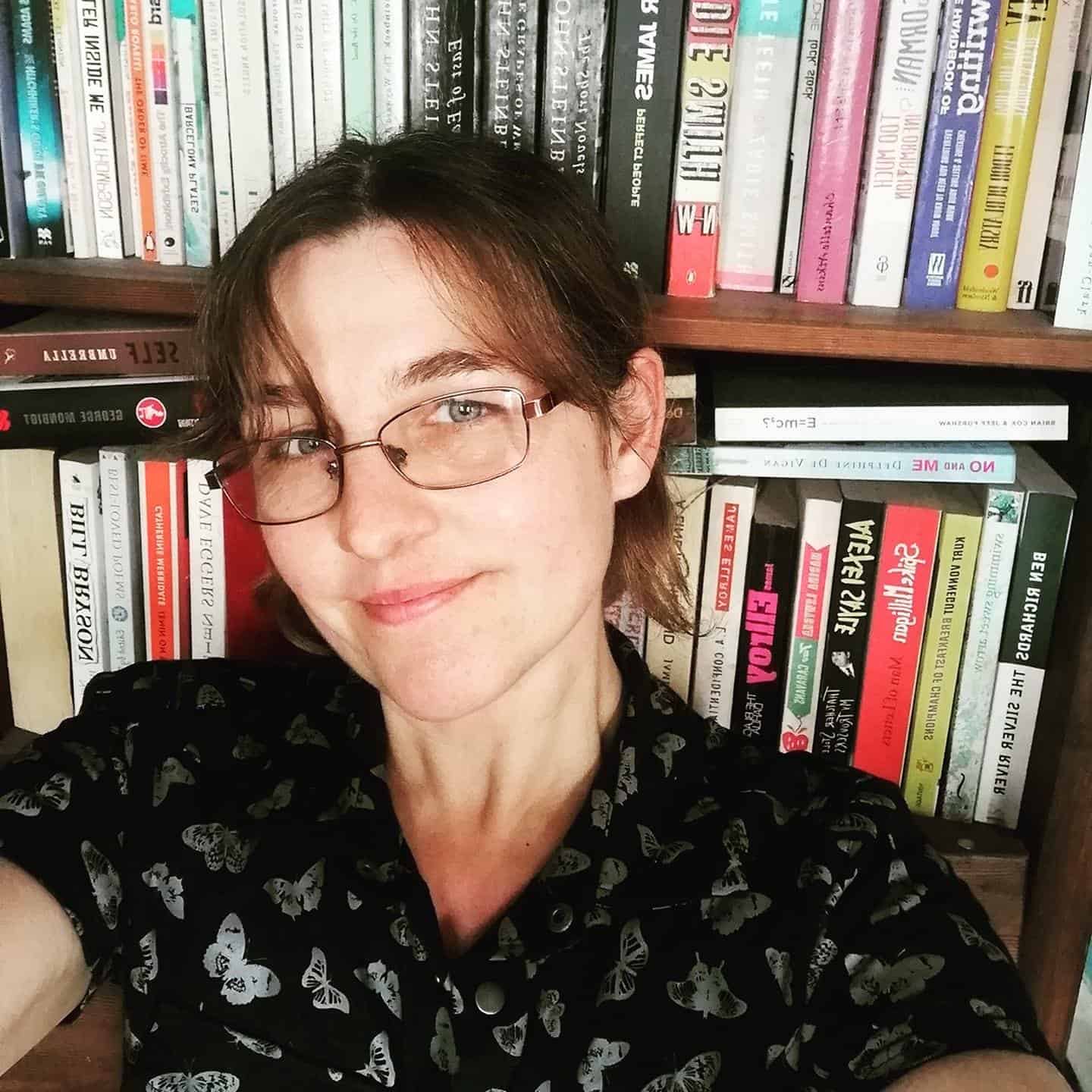
It can feel like a daunting task, especially if you’ve ever sat down a tried to express your ideas on paper. Yet it’s a task local author Chantelle Atkins has become an expert at both in bringing her own work to bookshelves everywhere and in teaching young people to do the same.
How do your books begin, story or character first?
Usually, character though it can vary. I would say most of them have begun with a character invading my head and talking to me. I’ll try to put them off for as long as I can, but when the voices get too loud, I start writing things down so I don’t forget. They’ll have to wait a few years usually, and by the time they get their turn, I know them really well! Sometimes its story first, or concept, and for some reason I always find that harder.
What does your creative process look like?
It starts with the voice in my head which gets louder and becomes more complex, suggesting back stories, themes, locations and even dialogue. I’ll dedicate a notebook to it when it gets like that and write in it whenever anything comes to me. Once I start writing a book, I’ll have had those characters in my head for some time, so I’ll feel very at home in their world. I’ll have written character bios, drawn maps, timelines and researched a few things before I start, but generally the first draft is very, very rough. Almost an outline. It’s the bones of the story waiting to be fleshed out when I know and understand more. The second draft feels like real writing, because I know the plot now, what happens to who and when, but I need to make it all come alive and make sense. Third and fourth drafts tighten this process until it then goes to beta readers for honest feedback! Further drafts follow, until I’m happy for it to go to the editor and proofreader.
With 15 titles to your name, 1 of which you co-authored do you have any characters which you’ve written in the past which have more to come in their stories?
Yes! This always happens to me and I only recently realised that I’ve been slowly creating a universe over the years. Eleven of my books are set in the same ‘universe’, a fictional world loosely based on real life locations, where a lot of characters pop up or crossover into the other books. I am currently working on a spin-off book, for example. I think nearly all of my characters have more stories to tell in the future!
Writer’s block is something we often hear about; how do you work through it?
I don’t get it in terms of ideas. If anything, I have too many ideas, too many notebooks full of ideas waiting their turn to become a book! And I keep getting them, which can feel a bit stressful at times. But I do get blocks sometimes, especially during the clumsy first draft. Usually it will just feel like I know where to go and what I want to happen, but not how to write it. I will write my way through it, sentence by sentence. Word count will really slow down when this happens but I refuse to let it stop, because I am afraid it won’t start back up again. So I write every day, even if it is really, really hard, and even if it is just one sentence! Eventually, I’ll come through it and it will pick up pace again.
Feeling like you’re ‘not good enough’ is something a lot of creative people battle with, what advice do you have for not letting those feelings stand in your way?
It’s very common and I think in some ways it’s a good thing, because it keeps you humble and curious and if you are humble and curious you will want to keep learning and growing. The best thing about writing is that you are always getting better, so the more you write, the better you get. If you feel unworthy, look back on writing from a year ago, or five or ten years ago and see how much better you are. Try not to compare yourself to others, because there will always be people further ahead than you, getting more sales or reviews than you. Try to remember you are on your own journey, and I think it feels nice to view it as a journey. Writing is strange because its this intensely private, personal thing that seems to illuminate our journey through life, yet we share it with the world! I’d also say, that wherever you feel you have weaknesses, just focus on them as something you want to get better at. Don’t give up. Get better.
What advice do you have for young people who want to have a career in writing?
I’m not sure ‘career’ is the right word, unless you are talking about journalism, copywriting or ghostwriting, as a ‘career’ in fiction writing is hard to come by. Most writers’ earnings are beneath the poverty line, but they do it because they have to, because they need to, because they love it. It should feel like that, in my opinion. Like you’d die if you didn’t do it or feel less ‘you’. If you make money from it and can pay the odd bill, then you are doing pretty good these days! Having said that, there are plenty of writers out there who earn very good money so don’t give up.
Who is your favourite writer, and do you have a favourite genre of books to read?
YA is my favourite genre, and after that, just anything gritty and character driven that makes me think. I need to love the characters and root for them and I need to feel like the book has impacted me somehow. My favourite writer is probably Stephen King, but Charles Bukowski and Chris Whittaker are close behind!
With the popularity of self-publishing, it has become so much easier to hold a finished book in your hands. What are the advantages and disadvantages of the changes you’ve seen in the publishing industry?
The advantages are that with self-publishing writers now have control of their work and their money, and there does not need to be gatekeepers stood in your way. You can just do it. And there is something lovely about that, I think, especially if you don’t care about making lots of money or getting loads of reviews. If you just want to write and put out a story because it means something to you, you can do that these days, and I think that’s amazing. The disadvantages are that it is very hard to get noticed, and to make sales and get reviews, unless you have money behind you. If you self-publish, you have to pay for everything yourself, and at the very least, you ought to pay for editing, proofreading and a professional front cover. After you’ve paid out for that, chances are you will make very little money back. If you have more money to spare, you can pay for advertising, such as Facebook and Amazon ads for example. You can pay for blog tours, and media blitzes and all sorts of things. I have noticed over the years I’ve been doing this, that the authors who can afford to do this, end up doing very well, if they write good books. Whereas poorer authors who also write great books, do not do as well. I do find that sad. There is also still some snobbery and stigma attached if you have self-published but I think it is less and less all the time.
What would you say is the hardest part about your job as a writer?
The marketing and advertising! I can only do what’s free, so I try to blog every week, I try to post book quotes and reviews on my social media pages and will jump at the chance to be interviewed by anyone! What money I do have must go on editing and book covers. I find writing the books is the easier part. Selling them and getting them noticed is very, very hard and it can be quite depressing at times.
Your young adult books are often described as gritty, edgy, and compelling, and you never shy away from the harder things that young people often face in their lives. Would you say writing can be a good outlet for those experiences in the same way that reading about them can be?
Yes! I am always saying this. Writing is so good for us. If anything bad happens to you, whether it is a bad day, or a really bad experience that haunts you or affects you, write about it! Use it! Pour your truth into fictional characters and stories. Never waste any of it. And yes, I think it does make you more empathetic and open-minded, because you need to be to write. You need to be a good observer of
the world and the people in it. You can get so much off your chest by writing about it, or by pouring it into a character who can say what you can’t.
You can find all of Chantelle Atkins’ books on Amazon so head over there today on the link below to take your pick!
And if you’re an aspiring writer don’t forget to follow her Instagram account for inspiration, advise and sneak peeks of her work.
Instagram – https://www.instagram.com/chantelleatkinswriter/
We will also have a special giveaway this week from Chantelle Atkins so stop by our competitions page